Telehealth and Remote Patient Monitoring: Bridging Gaps in Care
Telehealth has come a long way since its early days, and it’s now a cornerstone of modern healthcare, especially in underserved regions like California’s Central Valley.
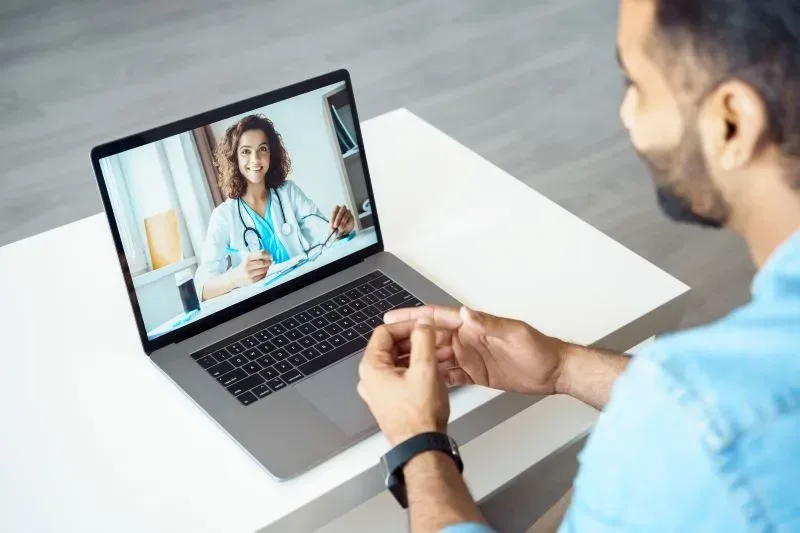
Telehealth has come a long way since its early days, and it’s now a cornerstone of modern healthcare, especially in underserved regions like California’s Central Valley. For rural areas with limited access to healthcare providers, telehealth offers a practical solution that can drastically improve care delivery. It’s an approach that helps people in places like Fresno, Merced, and Visalia receive medical consultations without needing to travel hours for an in-person visit. With the rise of remote patient monitoring (RPM) technologies, telehealth has become even more effective in managing chronic conditions, enhancing care, and improving patient outcomes.
The Expansion of Telehealth in Rural Areas
One of the most significant benefits of telehealth in rural communities is the ability to connect with specialists who might otherwise be inaccessible. In the Central Valley, where long commutes to medical centers in larger cities like Sacramento or Los Angeles are common, telehealth breaks down barriers by allowing patients to receive care from the comfort of their homes. Whether it’s a virtual consultation for a routine check-up, mental health counseling, or a follow-up appointment after surgery, telemedicine reduces the logistical challenges that often prevent people from seeking timely care.
For individuals with chronic conditions, such as diabetes, high blood pressure, or heart disease—conditions that are prevalent in the Central Valley—telehealth means continuous monitoring and management without having to leave home. Remote patient monitoring (RPM) technologies have been crucial in enabling this. RPM devices, such as blood glucose meters, blood pressure cuffs, and heart rate monitors, can now send real-time data to healthcare providers, allowing them to track patients’ health from afar. If any abnormalities arise, doctors can intervene earlier and adjust treatment plans before a problem escalates. This proactive approach helps to prevent emergency room visits and hospitalizations, reducing healthcare costs and improving quality of life for patients.
How Telehealth is Revolutionizing Chronic Disease Management
Chronic disease management is a perfect example of how telehealth and RPM can significantly improve health outcomes. In the Central Valley, where many residents face socio-economic barriers and live in areas with limited access to specialized care, managing chronic conditions like diabetes or hypertension can be especially challenging. Patients often struggle to monitor their health between doctor visits, leading to complications that could have been prevented with more consistent tracking.
Telehealth helps bridge this gap by providing a platform for ongoing communication between patients and healthcare providers. With the integration of RPM devices, doctors can remotely monitor patients’ blood sugar levels, blood pressure readings, and weight, helping to adjust medications in real time. These devices often come with alerts that notify both the patient and the healthcare provider if any readings fall outside of a healthy range, enabling quick intervention before a patient’s condition worsens. This approach is not only more effective but also less costly than traditional in-person visits, especially for those who might have to travel long distances to see a doctor.
In addition, telehealth platforms are being designed to include educational components, empowering patients with information to manage their own health. For example, a diabetic patient can use a telehealth app to track their diet and exercise, and the app can provide reminders for medication and self-care activities. By enabling greater patient engagement in their care, telehealth fosters a sense of responsibility and ownership, leading to better health outcomes.
Mental Health Services: Breaking the Stigma and Increasing Access
Another area where telehealth has shown tremendous value in the Central Valley is mental health care. Historically, there has been a significant mental health crisis in rural regions, where access to psychologists, psychiatrists, and counselors is often limited. The stigma surrounding mental health care can also prevent people from seeking help. Telehealth eliminates many of these barriers, offering an anonymous and convenient option for therapy and mental health consultations.
For residents in the Central Valley, telepsychiatry has been a lifeline, especially in communities where mental health professionals are scarce. Platforms like teletherapy and telepsychiatry allow patients to have virtual appointments with mental health providers via video chat, helping to overcome the barriers of distance and cost. Patients who may have been reluctant to seek help due to social stigma are finding it easier to access mental health care, knowing that they can do so discreetly from their homes.
Telehealth for mental health is not limited to just therapy or medication management. It also extends to group therapy sessions, counseling for substance abuse, and treatment for conditions like depression, anxiety, and PTSD. With remote monitoring of mental health symptoms, including mood tracking and stress levels, providers can offer a more tailored treatment plan, adapting it as needed based on real-time data.
Overcoming Telehealth Challenges in Rural California
While telehealth offers undeniable benefits, it also faces challenges—particularly in rural areas. For many residents of the Central Valley, access to high-speed internet is a significant hurdle. Without reliable internet, telehealth consultations can become difficult, limiting the effectiveness of virtual care. Additionally, many older adults or people in underserved communities might not have the necessary technology to access telehealth services, which poses another barrier.
Fortunately, state and federal initiatives are addressing these challenges. The California Telehealth Resource Center (CTRC) is working to improve broadband access and provide training to communities on how to use telehealth technology. Programs aimed at educating residents on how to access telehealth services and navigate digital platforms are also helping to expand telemedicine’s reach in rural regions.
The Future of Telehealth in the Central Valley
Looking ahead, telehealth is expected to play an even more significant role in healthcare delivery across California’s Central Valley. As technology continues to evolve, telehealth platforms will become even more sophisticated, offering new features like AI-driven health assessments and expanded remote diagnostics. Additionally, telehealth reimbursement policies are improving, with both private insurers and Medicaid expanding coverage for telehealth services.
For the residents of the Central Valley, these advancements will further level the playing field, offering access to high-quality care that was once reserved for those living in urban centers. With the continued expansion of telehealth and remote patient monitoring, patients can look forward to a future where they can manage their health from home—reducing the need for travel, improving outcomes, and empowering them to take charge of their own care.
Conclusion
Telehealth and remote patient monitoring are transforming healthcare, especially in rural regions like California’s Central Valley. By providing convenient access to healthcare providers and tools for managing chronic diseases, telehealth helps patients receive the care they need without the obstacles of distance or cost. With continued advancements in technology and increased accessibility, telehealth is not only bridging gaps in healthcare but is also creating new opportunities for patients to live healthier lives.
This article is for general information and isn’t a substitute for a visit with your doctor.