Wearable Health Technology: Tracking Your Health in Real-Time
In recent years, wearable health technology has evolved from a niche gadget market into an essential tool in modern healthcare.
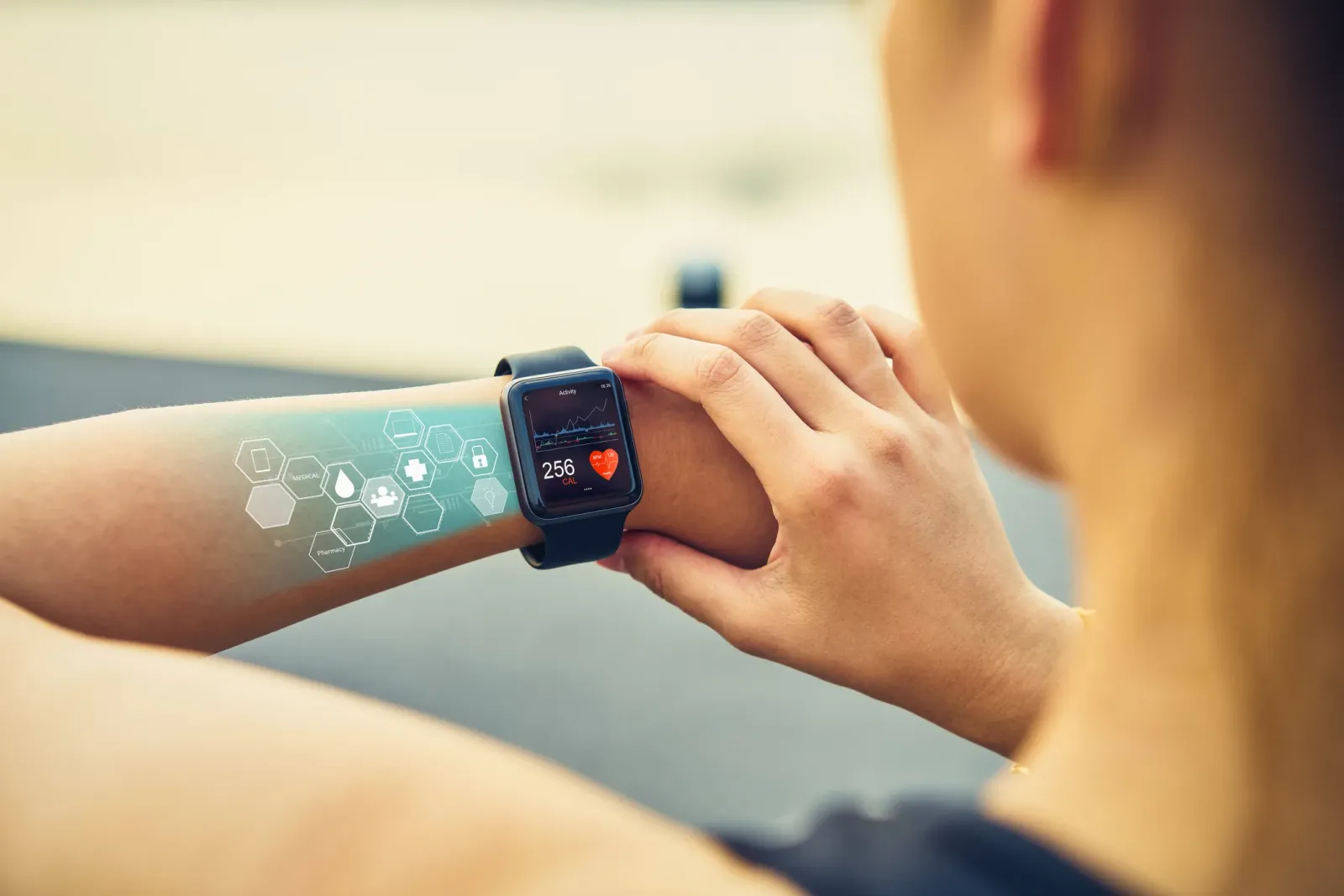
In recent years, wearable health technology has evolved from a niche gadget market into an essential tool in modern healthcare. From smartwatches to fitness trackers, wearables have become more than just devices for monitoring steps or heart rate—they are now powerful tools for managing chronic conditions, tracking vital signs, and promoting overall health. In California’s Central Valley, where access to healthcare specialists can sometimes be limited, these technologies are becoming a lifeline for individuals managing chronic conditions like diabetes, hypertension, and heart disease.
Wearables for Chronic Disease Management
One of the primary benefits of wearable health technology is its ability to assist with the management of chronic diseases. For example, people with diabetes can now use continuous glucose monitors (CGMs) that track blood sugar levels throughout the day, sending real-time data to both the patient and their healthcare provider. This allows for more precise adjustments to insulin levels and dietary habits, helping patients avoid the highs and lows that can lead to serious complications.
Similarly, wearables that monitor blood pressure and heart rate have become essential for individuals with hypertension or arrhythmias. For patients in the Central Valley, where healthcare resources might be spread thin, having a wearable device that tracks these metrics 24/7 provides an opportunity for real-time interventions. If any unusual readings occur, the patient and healthcare provider can act quickly to address potential health risks, reducing the chances of a heart attack or stroke.
Real-Time Data for Better Health Outcomes
Wearable health devices provide a steady stream of real-time health data, which can be shared with healthcare providers instantly. This continuous monitoring allows doctors to make data-driven decisions without waiting for the next in-person appointment. For patients with conditions like asthma, sleep apnea, or chronic obstructive pulmonary disease (COPD), this real-time data can be invaluable in managing flare-ups and adjusting treatment plans.
For example, a person with sleep apnea can wear a device that tracks their sleep patterns and records interruptions in breathing. This data, shared directly with a doctor, can help refine treatment plans, whether that’s adjusting settings on a CPAP machine or prescribing new medications to improve sleep quality. Wearables that monitor heart rate variability can also alert patients to early signs of cardiovascular stress, enabling preventive measures before a more severe event occurs.
The constant monitoring afforded by wearables also encourages patients to become more proactive in managing their health. Many devices come with built-in reminders for medication, hydration, and physical activity. These reminders help patients stay on top of their care plans and make small lifestyle adjustments that can have a big impact on their overall health.
The Role of Wearables in Preventative Healthcare
In addition to their role in managing existing health conditions, wearables are increasingly being used in preventative healthcare. The ability to track physical activity, monitor sleep, and even check oxygen levels helps people identify patterns that could point to health issues before they become serious. For residents in the Central Valley, where access to preventive care can sometimes be a challenge, wearables can be a crucial first line of defense.
For example, devices that measure steps taken or activity levels throughout the day can help individuals identify whether they’re meeting the recommended levels of physical activity. These devices also provide data on heart rate zones during exercise, helping users maximize their workouts while reducing the risk of overexertion, especially for older adults or those with pre-existing health conditions.
Moreover, wearables that track sleep quality provide insights into overall wellness. Poor sleep has been linked to a variety of health issues, including weight gain, diabetes, and heart disease. By identifying sleep disruptions early, wearables give users the opportunity to improve their sleep hygiene and make lifestyle changes that support long-term health.
Challenges and Considerations for Wearables in Rural Areas
While wearable health technology offers many benefits, there are some challenges that need to be addressed—especially in rural areas like the Central Valley. One of the primary hurdles is access to technology. While many people own smartphones or smartwatches, some individuals may not be able to afford the latest devices or lack the technical skills to set them up and use them effectively.
Another concern is data privacy. Wearables track sensitive health data, and ensuring that this data is securely transmitted to healthcare providers is crucial. In areas like the Central Valley, where healthcare infrastructure may not always be equipped to handle large amounts of data, it’s important to ensure that both patients and providers are following secure, HIPAA-compliant protocols to protect patient privacy.
Lastly, while wearables can provide valuable data, they cannot replace professional medical care. Devices can track vital signs and monitor activity levels, but they can’t offer a complete diagnosis or address complex medical issues. It’s important for users to understand that wearables are tools to complement their healthcare—not to replace visits to their primary care doctor or specialist.
The Future of Wearable Health Technology
Looking to the future, wearable health technology is poised to become even more advanced and widespread. With continuous innovation, we can expect to see wearables that offer even more capabilities, such as blood oxygen level and blood sugar level monitoring. As these devices become more affordable and accessible, residents of the Central Valley—and rural communities nationwide—will be better equipped to manage their health on a daily basis.
In the coming years, wearables could also integrate more seamlessly with telehealth platforms, allowing patients and healthcare providers to share data in real time. This could lead to even more personalized and precise treatment plans, improving outcomes for individuals living with chronic conditions.
Conclusion
Wearable health technology is revolutionizing the way people manage their health—especially in areas like California’s Central Valley, where access to healthcare specialists can be limited. By enabling real-time monitoring of vital signs, tracking chronic conditions, and promoting preventative health practices, wearables are helping people take a more proactive role in their health. As the technology continues to evolve, it has the potential to drastically improve healthcare outcomes for residents in underserved regions, leading to healthier lives and a more efficient healthcare system.
Este artículo es informativo y no sustituye la consulta con su médico.